How many years of updates does your phone get in India?
Samsung and Google promise 6 to 7 years of updates from ₹35,999. Others offer 3 to 4, and OnePlus 15 and iQOO 15 promise none. Prices checked 16 October 2026.
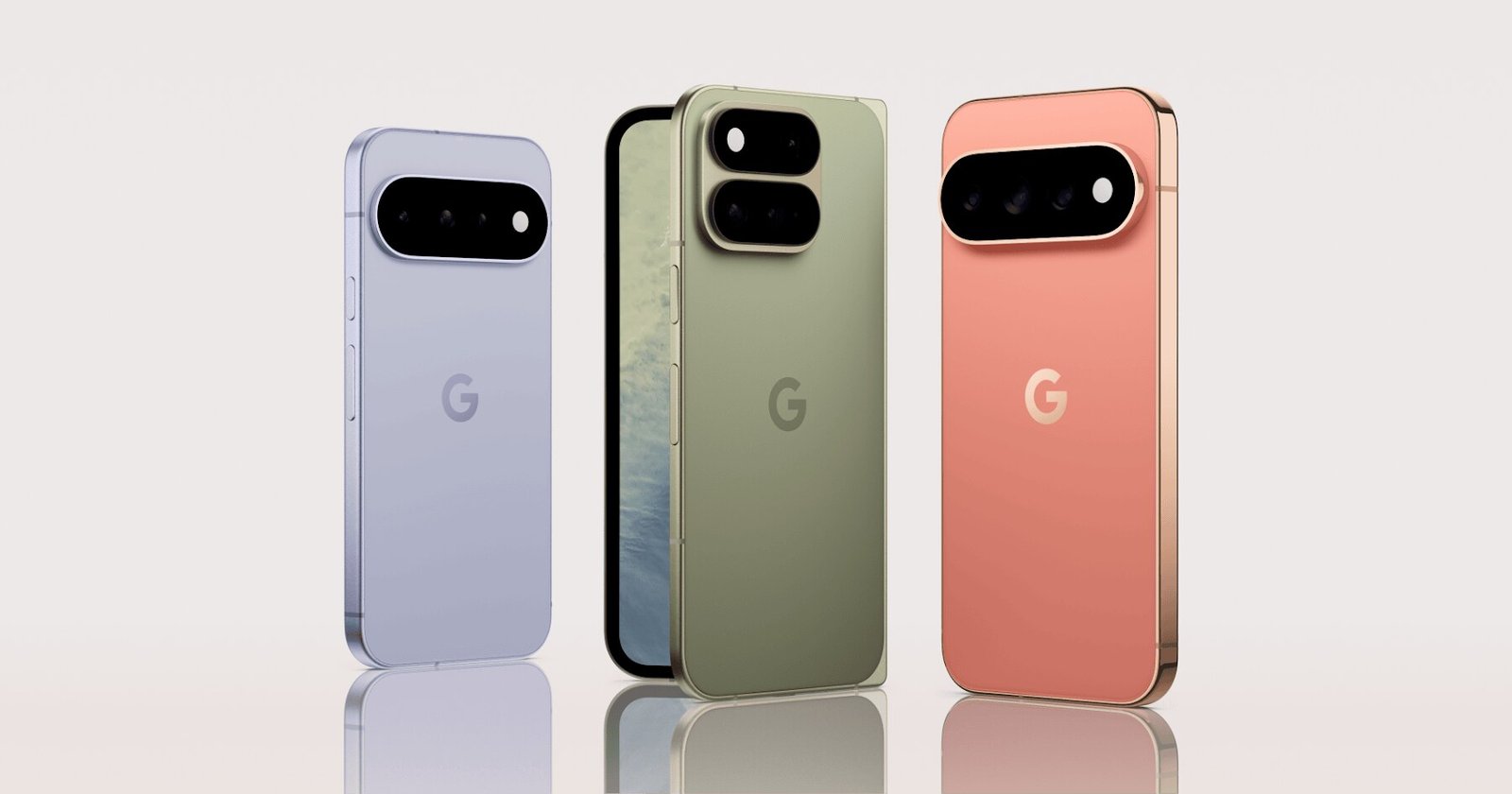
Seven years is the longest update promise on a phone sold in India today, and among the phones we list only Samsung and Google make it, from ₹52,999. Most other Android phones promise three to six years, and a few makers promise nothing at all.
That number decides how long a phone stays safe and current, so it is worth checking before you pay. This is what each maker has published for the phones on The Synap, with India prices checked on 16 October 2026.
How many years of updates do phones in India get?
It depends on the maker and the price, not the phone’s age. Samsung and Google promise seven years of OS updates on their top phones, Xiaomi five, OnePlus, POCO, iQOO, vivo and Redmi four, and Nothing, Motorola and some vivo phones three.
| Phone | Today’s price | OS updates promised | Security updates |
|---|---|---|---|
| Samsung Galaxy S26 | ₹1,02,999 | 7 | Not stated on our page |
| Google Pixel 11 | ₹89,999 | 7 | Not stated on our page |
| Google Pixel 10a | ₹52,999 | 7 | Not stated on our page |
| Samsung Galaxy A57 5G | ₹62,999 | 6 | Not stated on our page |
| Samsung Galaxy M47 5G | ₹37,999 | 6 | Not stated on our page |
| Samsung Galaxy A27 5G | ₹35,999 | 6 | Not stated on our page |
| Xiaomi 17 | ₹89,999 | 5 | 6 years |
| OnePlus Nord 6 | ₹44,999 | 4 | 6 years |
| POCO X8 Pro | ₹36,999 | 4 | 6 years |
| iQOO 15R | ₹59,999 | 4 | 6 years |
| Redmi Note 15 Pro 5G | ₹31,999 | 4 | Not stated on our page |
| vivo V70 | ₹59,999 | 4 | Not stated on our page |
| Nothing Phone (4a) | ₹36,999 | 3 | Not stated on our page |
| Motorola Edge 70 Fusion | ₹30,999 | 3 | Not stated on our page |
| vivo T5 5G | ₹34,999 | 3 | Not stated on our page |
Notice that the promise follows the brand more than the price. The Samsung Galaxy A27 5G at ₹35,999 promises six years. The Nothing Phone (4a) at ₹36,999 promises three. Samsung’s six years cost ₹1,000 less, for twice the promise.
What is the difference between OS updates and security updates?
An OS update is a new version of Android, with new features. A security update is a smaller patch that closes holes hackers could use, and it is the one that matters most for banking and UPI apps.
The two are promised separately. The OnePlus Nord 6 gets four Android upgrades and six years of security updates, and the POCO X8 Pro gets four and six as well. So a phone can still get security patches after its last new Android version.
Most makers on our pages state only the OS number, which is why the last column of the table is mostly empty. Absence on our page means the maker has not published a figure we could check, not that none exists.
Which phone gives the most updates for the money?
The best value is the Google Pixel 10a: seven years of OS updates from Android 16 for ₹52,999, the same promise as the ₹1,86,999 Pixel 11 Pro Fold. Our page calls it the cheapest Pixel, with an older Tensor G4 chip. If you want Samsung, the Samsung Galaxy M47 5G promises six years for ₹37,999.
The Samsung Galaxy A57 5G also promises six years, but at ₹62,999 it is pricey: our page notes the Galaxy S25 FE costs ₹3,000 less. Only the Samsung and Pixel phones above reach six or seven years, so a long promise at a low price is rare.
For a budget under ₹40,000, see phones under ₹40,000, then check each one’s promise against the table. For a broader shortlist, the best phones page is the place to start.
Which expensive phones promise no updates at all?
Four phones on our site cost ₹44,999 to ₹85,999 and have no published update promise. The OnePlus 15 costs ₹84,999, and OnePlus gives the cheaper Nord 6 a written four-year promise. The iQOO 15 costs ₹85,999, while the iQOO 15R at ₹59,999 gets four OS updates, so paying ₹26,000 more buys the vaguer promise.
| Phone | Today’s price | What the maker has published |
|---|---|---|
| OnePlus 15 | ₹84,999 | No update promise |
| iQOO 15 | ₹85,999 | No update promise |
| OPPO Reno16 5G | ₹66,999 | No update promise |
| realme 16 Pro 5G | ₹44,999 | No update promise |
| iPhone 17 | ₹99,900 | No fixed number of years |
| iPhone 17e | ₹79,900 | No fixed number of years |
The OPPO Reno16 5G (₹66,999) and realme 16 Pro 5G (₹44,999) are in the same position. For the iPhones, Apple publishes no fixed number of years either, so the iPhone 17 and iPhone 17e carry a track record, not a written promise. Our guide to which iPhone to buy covers the rest of the choice.
A missing promise does not mean a phone will be abandoned. But a promise on paper is the only thing you can hold a maker to, so treat silence as a reason to ask before paying.
Does a longer promise mean you should keep a phone longer?
Not by itself. A promise covers software, and a battery that has aged for five years may still need replacing. Promises are also usually counted from the phone’s launch, so a phone bought a year after launch has a year less left.
The Nothing comparison on The Synap shows the same trade: our piece on the Nothing Phone (4a) and (4a) Pro notes both promise only three years, so the Pro’s extras do not change the support. Three years is also enough for many buyers who change phones every two or three years.
Quick answers
How many years of updates does a Samsung phone get?
Samsung promises seven OS updates on the Galaxy S26 and six on the Galaxy A57 5G, M47 5G and A27 5G, according to our phone pages. That is the longest promise among the big Android makers in India outside Google.
How many years of updates does an iPhone get?
Apple publishes no fixed number of years, so there is no written promise to quote. The iPhone 17 and iPhone 17e both run iOS 27 today.
Is a three-year update promise enough?
It is enough if you replace your phone every two or three years. If you keep phones for four to five years, pick one with at least four years of OS updates, or six years of security updates where the maker states them.