No-cost EMI on phones: what it really costs you
No-cost EMI hides interest in a lost discount, GST and fees. Here is the real cost on a ₹1,02,999 phone, and what to check before the Diwali sales.
No-cost EMI is not free: the interest is still charged, and you pay for it by giving up a discount, plus GST and sometimes a fee. On a phone priced at ₹1,02,999, a normal six-month EMI would add about ₹4,553 in interest, and the festive discount you skip is where that money really comes from.
What does “no-cost EMI” actually mean?
It means the bill you see shows no interest line. The lender still charges interest, but the seller or the phone maker covers it by cutting the price by the same amount, and that cut is paid to the bank. The cost has moved, not vanished.
That is why a “no-cost” plan often cannot be stacked with a card or exchange discount: the discount is already being spent on your interest.
How much does a normal EMI cost on a ₹1 lakh phone?
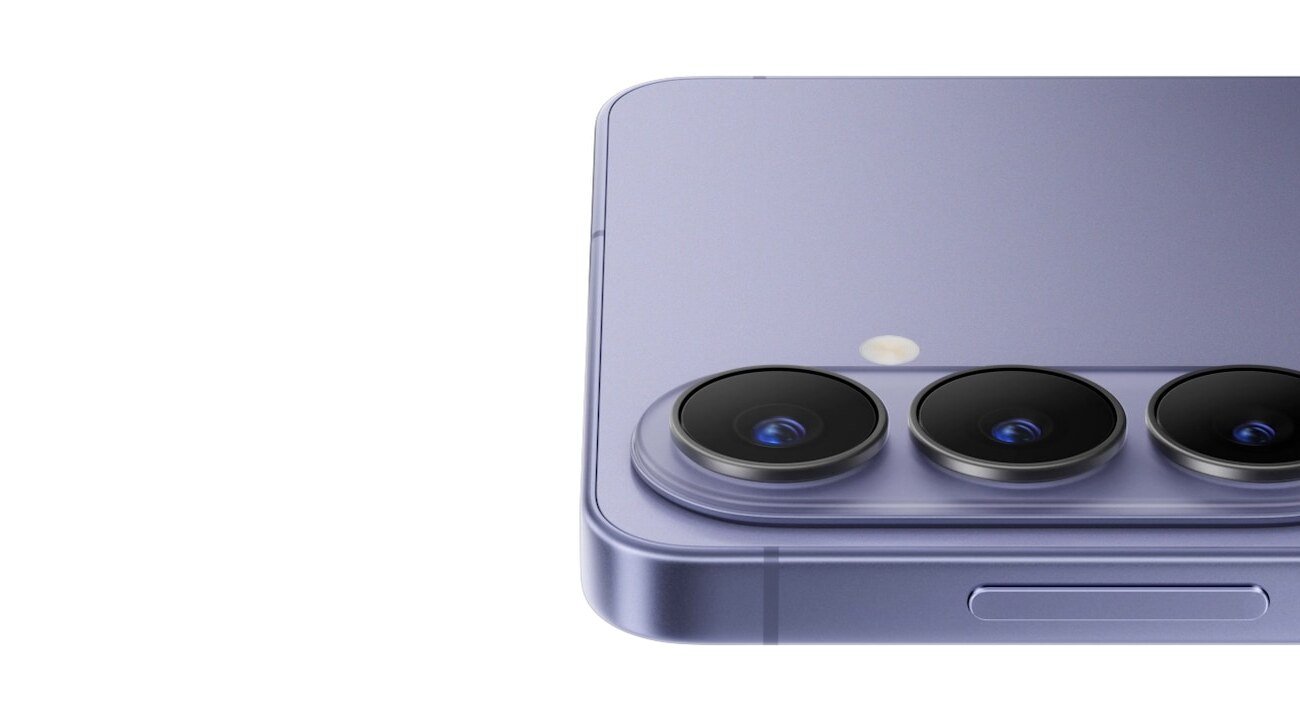
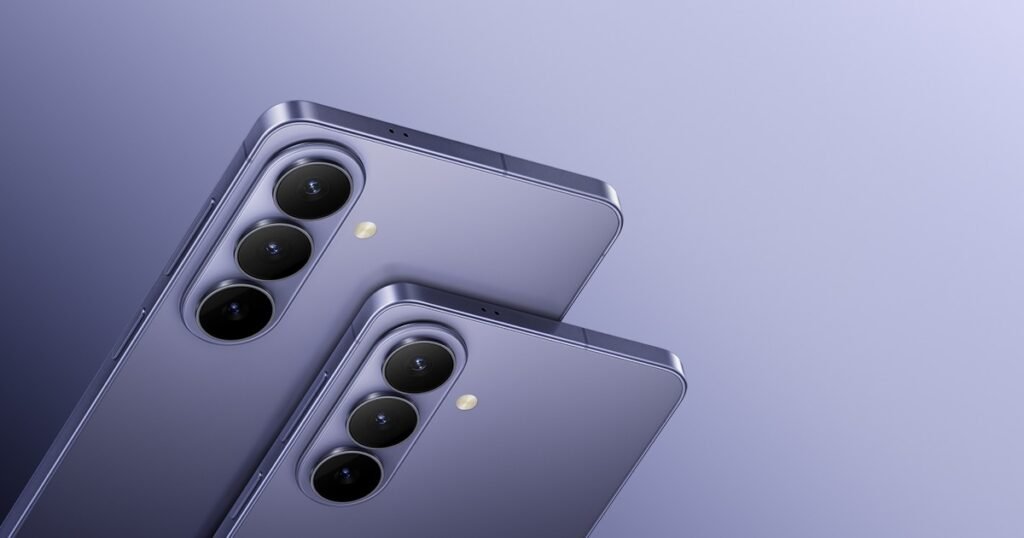
Take the Samsung Galaxy S26 at today’s price of ₹1,02,999 for the 12GB + 256GB version, from our catalogue (Indian listings, cheapest colour). The table shows what a standard loan would cost at an assumed 15% a year. That rate is our illustration only: card and loan rates vary by bank, so check yours.
| Months | Monthly EMI | Interest | GST on interest (18%) | Interest plus GST |
|---|---|---|---|---|
| 3 | ₹35,195 | ₹2,586 | ₹465 | ₹3,051 |
| 6 | ₹17,925 | ₹4,553 | ₹820 | ₹5,372 |
| 9 | ₹12,171 | ₹6,544 | ₹1,178 | ₹7,722 |
| 12 | ₹9,297 | ₹8,559 | ₹1,541 | ₹10,100 |
The longer the plan, the more the loan costs. Twelve months at this rate adds about ₹10,100 once GST is counted, which is about half of the ₹20,000 our page shows for the step up to 12GB + 512GB (₹1,22,999). For the storage question itself, see our look at whether double the storage is worth it.
Who really pays for a no-cost EMI?
You do, in one of three ways. First, the instant discount you would get by paying in full or by card is usually withdrawn. Second, GST at 18% is commonly charged on the interest part, and the seller’s cut does not always cover it. Third, some lenders add a processing fee, often a few hundred rupees plus GST. Amounts differ by bank and seller, so read the line items before you pay.
| Cost | Where it shows up |
|---|---|
| Interest | Hidden inside a smaller discount or a higher price |
| GST on interest | Added to the first or later instalments |
| Processing fee | A separate line, if the lender charges one |
| Credit limit | The full price may be blocked on your card at once |
Is no-cost EMI worth it during festive sales?
Only if the price you pay on EMI equals the best price you could pay in cash. Compare the two on the same screen: if paying in full is even ₹5,000 cheaper, the EMI is costing you that ₹5,000. Diwali falls on 8 November 2026, and the price drops page is where we log changes as they happen. It currently shows none.
It is a fair deal if you cannot pay at once, the cash price is the same as the EMI price, and you have no better use for the money. It is poor value if you have the cash and a discount is on offer for paying upfront.
What should you check before you tap “confirm”?
- Total payable. Add every instalment and compare it with the cash price.
- Fees and GST. Find any processing fee and the GST on interest.
- Returns. Ask what happens to the loan, and any fees, if you return the phone.
- Credit limit. Make sure the blocked amount leaves room for other festive purchases.
Choosing between phones first? Our Galaxy S26 against iPhone 17 comparison puts the two ₹1 lakh flagships side by side, and the best phones under ₹70,000 list shows what a lower budget buys.
Quick answers
Is no-cost EMI really interest free?
No. The interest is charged and then offset by a discount, so the phone costs about the same as the lowest cash price. Extra costs such as GST on the interest or a processing fee can still land on you.
Is no-cost EMI cheaper than paying in full?
Rarely. Paying in full usually keeps any instant discount, so it is the same or cheaper. EMI helps your cash flow, not your wallet.
Does no-cost EMI affect my credit card limit?
Often yes. Many lenders block the full purchase amount against your limit until you repay, so a ₹1,02,999 phone can use that much of the limit on day one.