200MP phone camera: from ₹31,999, but is it better?
A 200MP phone camera starts at ₹31,999 in India, but the number alone does not make photos better. Here is what pixel binning does and what to check instead.
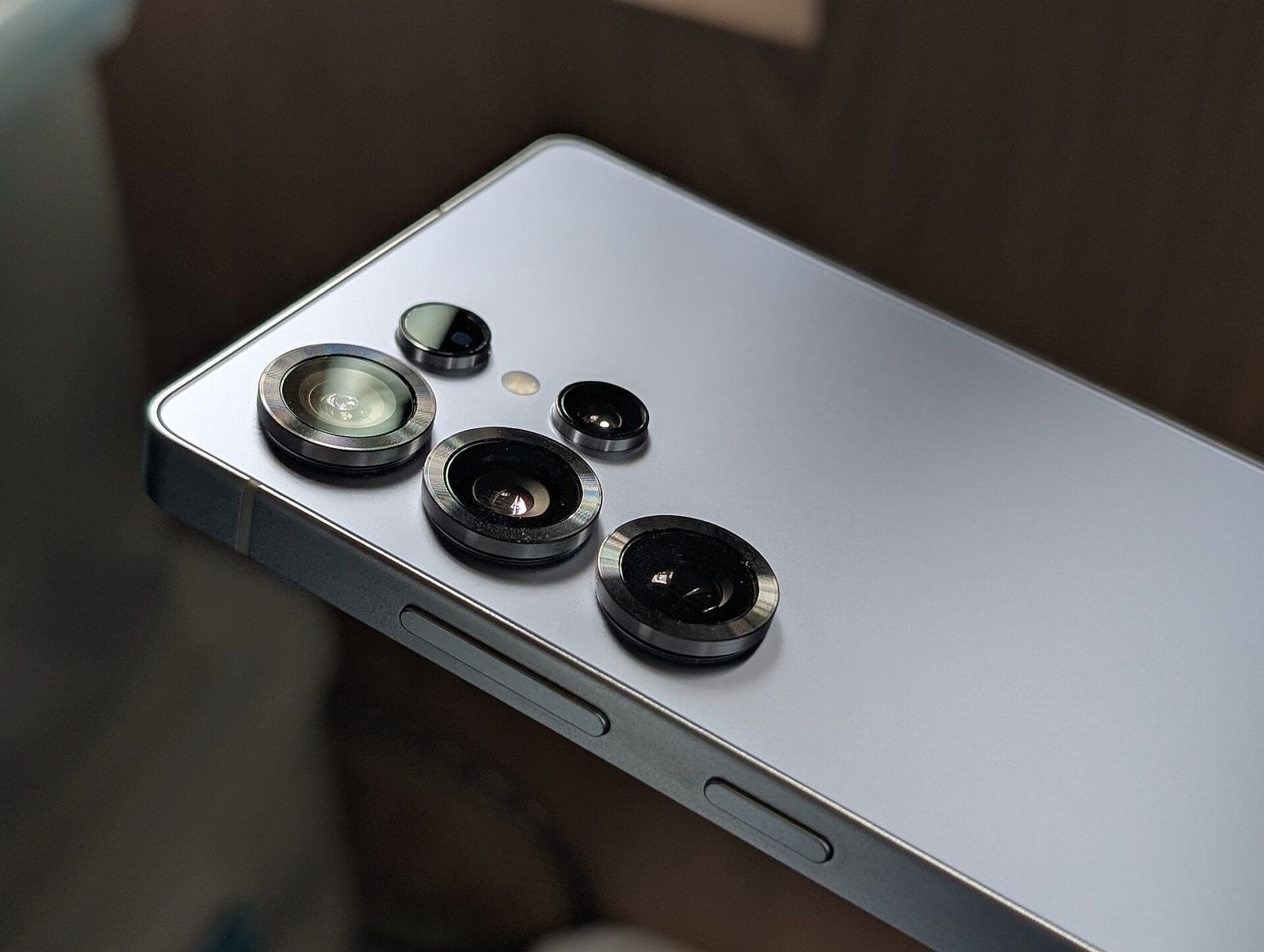
A 200MP camera does not take better photos just because of the number. It is a 200 million pixel sensor that, on most phones, merges those pixels into a much smaller photo by default. In India, a 200MP main camera starts at ₹31,999 on the Redmi Note 15 Pro 5G, and goes up to ₹1,54,999 on the Samsung Galaxy S26 Ultra.
Does a 200MP camera take better photos?
No, not by itself. Megapixels count how many tiny light-catching dots a sensor has. They do not say how big the sensor is, how good the lens is, or how well the phone’s software cleans up the picture. A 4K TV screen shows only about 8 megapixels, so a 200MP photo is far more detail than you will ever see on a screen without zooming in.
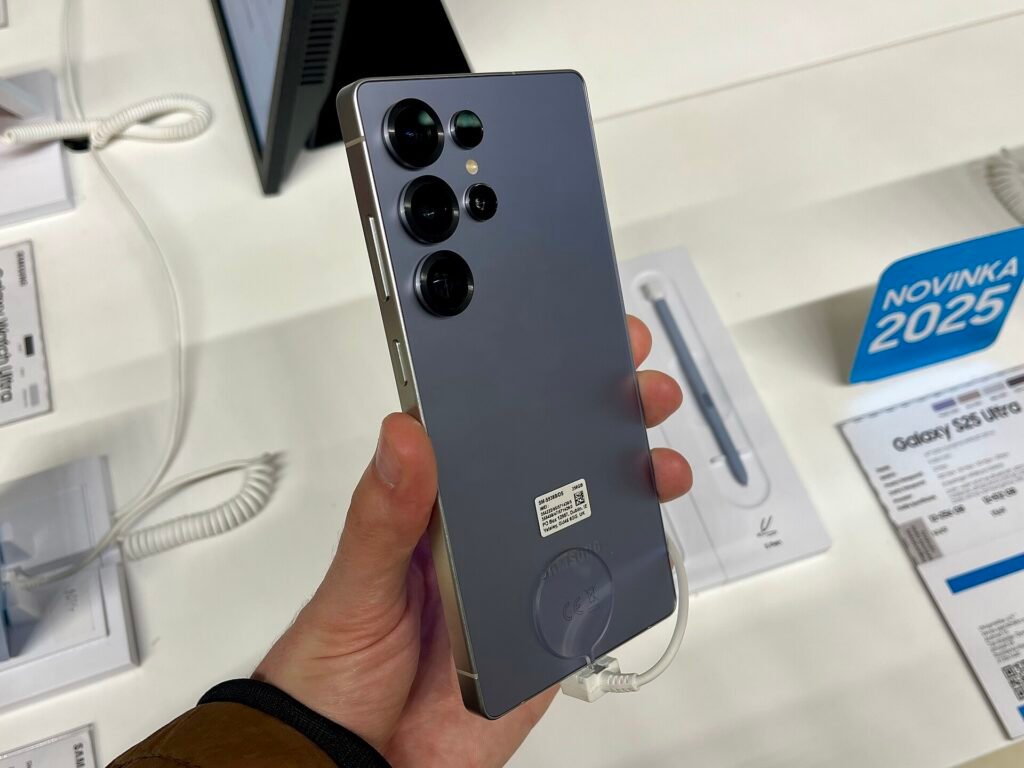
What does a 200MP camera actually shoot?
Most 200MP phones use pixel binning: neighbouring pixels are merged into one bigger pixel. Samsung’s chip division describes its 200MP sensors as merging 16 pixels into one, which gives a 12.5MP photo by default. Bigger merged pixels collect more light, so night shots come out cleaner.
The full 200MP mode is usually a separate setting. It makes sense in bright light, when you want to crop into a distant subject or print big. Elsewhere, the 12.5MP or 50MP result is what most people will use and share.
What does 200MP cost in India?
It costs anything from ₹31,999 to ₹1,54,999, so the megapixel count is clearly not what sets the price. The four cheapest 200MP phones on The Synap all carry the same 6.9 out of 10 camera score and the same 8MP ultrawide lens, yet the realme 16 Pro 5G costs ₹13,000 more than the Redmi Note 15 Pro 5G.
| Phone | Today’s price | Main camera | Ultrawide | Our camera score |
|---|---|---|---|---|
| Redmi Note 15 Pro 5G | ₹31,999 | 200MP, OIS | 8MP | 6.9/10 |
| Redmi Note 15 Pro+ 5G | ₹39,999 | 200MP, OIS | 8MP | 6.9/10 |
| realme 16 Pro 5G | ₹44,999 | 200MP, OIS | 8MP | 6.9/10 |
| vivo V70 FE | ₹44,999 | 200MP, OIS | 8MP | 6.9/10 |
| Google Pixel 11 | ₹89,999 | 48MP, OIS | 13MP | 8.8/10 |
| Google Pixel 11 Pro | ₹1,19,999 | 50MP, OIS | 48MP | 9.3/10 |
| OPPO Find X10 | ₹1,39,999 | 200MP, OIS (plus a 200MP 2.8x telephoto) | 50MP | 8.4/10 |
| Xiaomi 17 Ultra | ₹1,39,999 | 50MP 1-inch sensor, OIS (plus a 200MP telephoto) | 50MP | 9.1/10 |
| Samsung Galaxy S26 Ultra | ₹1,54,999 | 200MP, f/1.4, OIS | 50MP | 9.3/10 |
| Apple iPhone 18 Pro | ₹1,64,900 | 48MP, OIS | 48MP | 9.0/10 |
The Google Pixel 11 Pro has a 50MP main camera and scores 9.3, the same as the 200MP Samsung Galaxy S26 Ultra, which costs ₹35,000 more. The OPPO Find X10 puts a 200MP sensor in two of its cameras and still scores 8.4, below the 50MP Google Pixel 11 Pro at ₹20,000 less. The score is a spec-sheet reading, not a hands-on test, so treat it as a guide to what the hardware can do rather than a verdict on every photo.
What matters more than megapixels on a phone camera?
Four things: the size of the sensor, the lens, stabilisation and the software. The Xiaomi 17 Ultra is the clearest example. Its main camera is a 50MP 1-inch sensor, a much bigger sensor than most phones use, and it scores 9.1 on our page. Its 200MP is on the telephoto lens instead, for zoomed shots.
Software decides how a night scene or a face in harsh sun is handled, and that is where phones from the same sensor family can differ. No independent camera test is cited here, so none of this ranks real-world photos.
| What you want | Check this, not the megapixels |
|---|---|
| Sharp photos at night | Sensor size and OIS (optical image stabilisation, a lens that steadies the shot) |
| Zoomed shots of far things | A dedicated telephoto lens and its zoom, such as 5x, not the main camera’s megapixels |
| Wide group photos | The ultrawide: 8MP on the four cheapest 200MP phones above |
| Crops and big prints | 200MP mode, in good light, with the phone held still |
Who should pay extra for a 200MP phone?
Pay for it if you crop a lot, print large, or want a telephoto that is itself 200MP. Skip paying extra just for the number: at ₹31,999 the Redmi Note 15 Pro 5G gives you the same 200MP main camera and the same score as phones that cost ₹13,000 more, and its 8MP ultrawide is the weak spot to know about.
If photos are your priority, look at the whole camera set, not one sensor. Our best camera phones list picks the best on the whole camera, and for a budget start, our phones under ₹40,000 list shows what each price buys. Earlier on The Synap: which Redmi phone to buy in India and which Pixel to buy in India.
Quick answers
Is 200MP better than 50MP?
Not automatically. The 200MP sensor gives more room to crop and zoom in good light, but a 50MP phone with a bigger sensor, better stabilisation and stronger software can do better in dim light. The 50MP Google Pixel 11 Pro scores 9.3 on our page, level with the 200MP Samsung Galaxy S26 Ultra.
Do 200MP phones take 200MP photos by default?
Usually not. Most merge pixels and save a 12.5MP or 50MP photo, because that is cleaner and takes far less storage. The full 200MP mode is normally a setting you switch on in the camera app.
What is the cheapest 200MP phone in India?
On The Synap, the cheapest is the Redmi Note 15 Pro 5G at ₹31,999 for the 8GB + 128GB version on 19 November 2026. It has a 200MP main camera with OIS and an 8MP ultrawide.