OLED or LCD tablet: OLED starts at ₹82,900 in India
The cheapest OLED tablet on The Synap is ₹82,900. Below that, a 144Hz LCD gives you more screen for less. What each panel costs and who should pay.
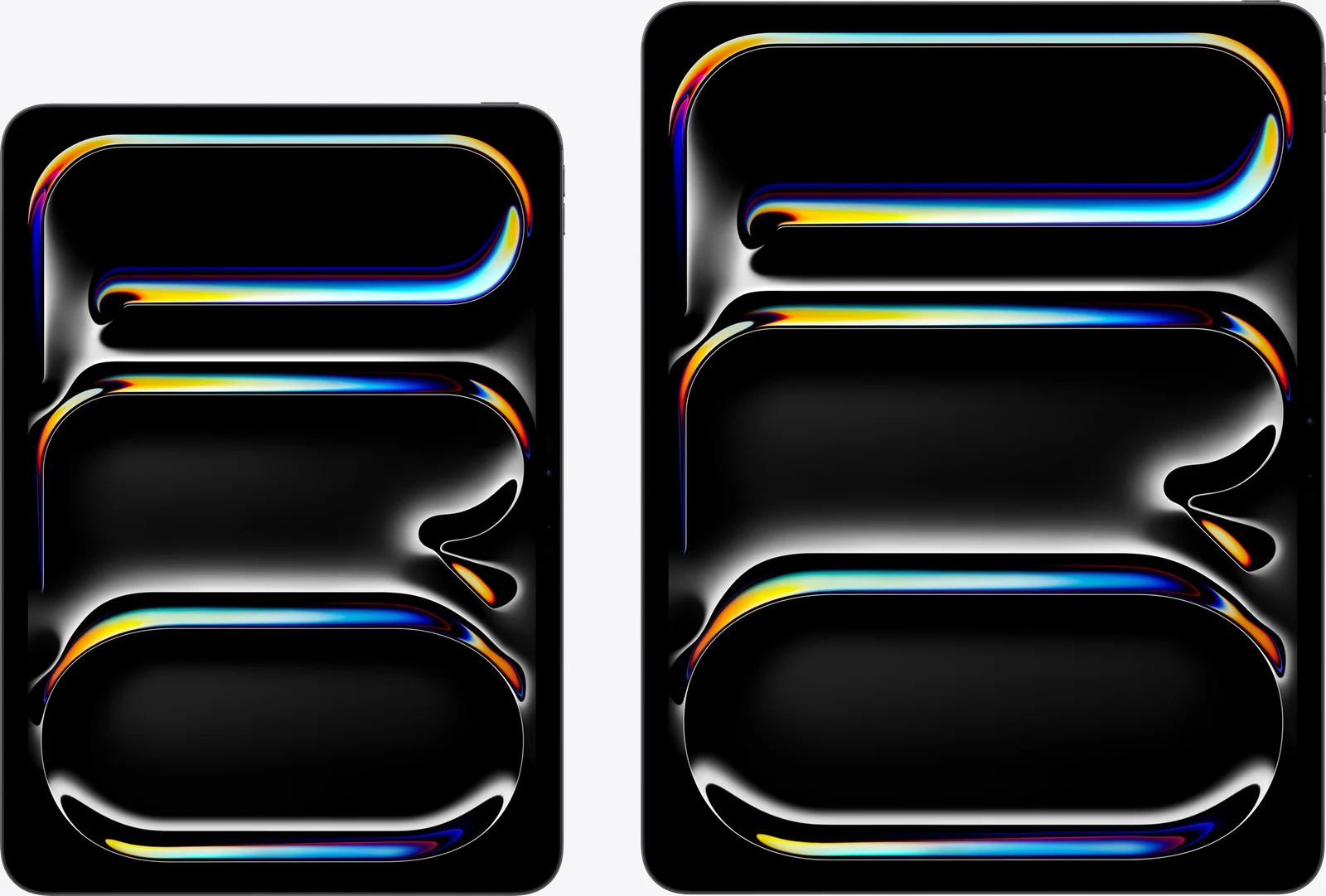
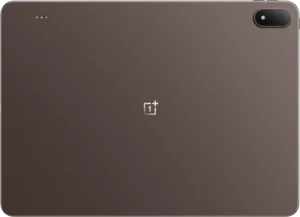
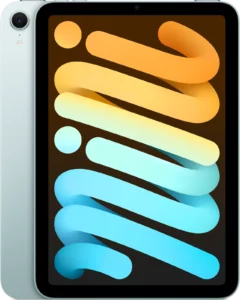
Pay for an OLED tablet screen only if you can spend ₹82,900 or more. The cheapest OLED tablet on The Synap is the iPad mini (A20 Pro) at ₹82,900, while the OnePlus Pad 4, an LCD with a bigger 13.2-inch screen at 144Hz, costs ₹62,999 (prices checked on 13 November 2026).
Eight of the 41 tablets on The Synap have an OLED panel, and not one costs less than that ₹82,900. Everything below comes from the makers’ own spec sheets as carried on our pages, not from measurements.
What is the difference between OLED and LCD on a tablet?
An OLED screen makes its own light, pixel by pixel, so a black pixel is simply switched off. An LCD shines one backlight through a layer of filters, so black is never fully dark. That is why OLED looks richer in a dim room, and why an LCD can still get very bright for far less money.
The names confuse people. AMOLED, Dynamic AMOLED 2X and tandem OLED are all OLED panels. IPS, TFT, LTPS, IGZO and Apple’s “Liquid Retina” are all LCD types, so a long name on a box tells you nothing about which family you are buying.
How much more does an OLED tablet cost in India?
At least ₹19,901 more than the best LCD tablet we list, and ₹46,901 more than a good budget one. The iPad mini (A20 Pro) at ₹82,900 is ₹19,901 above the OnePlus Pad 4 at ₹62,999 and ₹46,901 above the Xiaomi Pad 8 at ₹35,999.
| Tablet | Panel | Screen size | Peak brightness (maker-rated) | Price today (version) |
|---|---|---|---|---|
| iPad mini (A20 Pro) | Super Retina XDR (OLED) | 8.5 inches | 1,200 nits | ₹82,900 (128GB Wi-Fi) |
| OPPO Pad Mini | AMOLED, 144Hz | 8.8 inches | 3,200 nits | ₹94,999 (8GB + 256GB Wi-Fi) |
| Galaxy Tab S10+ | Dynamic AMOLED 2X, 120Hz | 12.4 inches | 650 nits | ₹1,00,999 (12GB + 256GB 5G) |
| Galaxy Tab S11 | Dynamic AMOLED 2X, 120Hz | 11 inches | 1,600 nits | ₹1,26,999 (12GB + 256GB 5G) |
| Galaxy Tab S12+ | AMOLED, 120Hz | 12.6 inches | 1,600 nits | ₹1,29,999 (12GB + 256GB Wi-Fi) |
| iPad Pro 11″ (M5) | Ultra Retina XDR (tandem OLED), 120Hz | 11 inches | 1,600 nits | ₹1,39,900 (256GB Wi-Fi) |
| Galaxy Tab S12 Ultra | AMOLED, 120Hz | 14.6 inches | 1,600 nits | ₹1,49,999 (12GB + 256GB Wi-Fi) |
| iPad Pro 13″ (M5) | Ultra Retina XDR (tandem OLED), 120Hz | 13 inches | 1,600 nits | ₹1,99,900 (256GB Wi-Fi) |
The table has a pattern: small OLED screens come from Apple and OPPO, and anything bigger starts at ₹1,00,999. That is the Galaxy Tab S10+, and ₹1,00,999 is the 5G version, the only one our page lists. Its 650 nits rating is also the lowest of the eight, and our page notes it launched on Android 14.
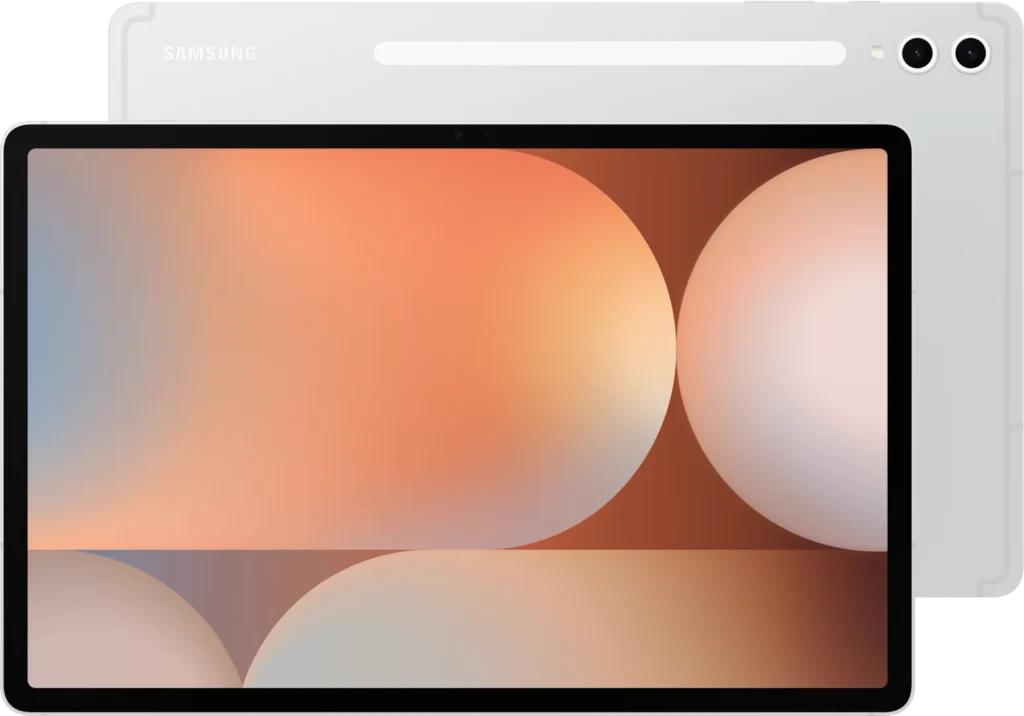
Moving to the newest Samsung costs real money. The Galaxy Tab S12+ is ₹29,000 more than the Galaxy Tab S10+ (though the Galaxy Tab S12+ price is for the Wi-Fi version), and it buys a 1,600 nits rating and a newer chip. If you want an OLED tablet and the bigger screen is the point, that is the step to think about. Our guide to 11-inch or 13-inch tablets covers the size question on its own.
What does an LCD tablet give you for less?
A lot of screen. The OnePlus Pad 4 at ₹62,999 has a 13.2-inch 3.4K LCD at up to 144Hz rated at 1,000 nits, which is a higher rating than the 650 nits on the Galaxy Tab S10+ OLED. Makers rate peak brightness in different ways, so treat these numbers as a rough guide, not a verdict.
| Tablet | Panel | Screen size | Peak brightness (maker-rated) | Price today (version) |
|---|---|---|---|---|
| OPPO Pad 5 | LCD, 120Hz | 12.1 inches | 900 nits | ₹29,999 (8GB + 128GB Wi-Fi) |
| Xiaomi Pad 8 | LCD, 144Hz | 11.2 inches | 800 nits | ₹35,999 (8GB + 128GB Wi-Fi) |
| Galaxy Tab S10 Lite | TFT LCD, 90Hz | 10.9 inches | 600 nits | ₹37,499 (6GB + 128GB Wi-Fi) |
| Lenovo Idea Tab Pro Gen 2 | LTPS LCD, 144Hz | 13 inches | 800 nits | ₹41,999 (8GB + 256GB Wi-Fi) |
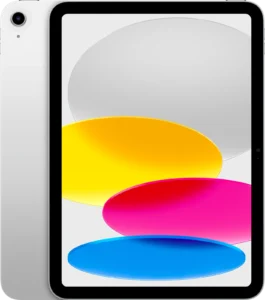
| iPad (A16) | Liquid Retina (IPS LCD) | 11 inches | 500 nits | ₹49,900 (128GB Wi-Fi) |
| OnePlus Pad 4 | LCD, 144Hz | 13.2 inches | 1,000 nits | ₹62,999 (8GB + 256GB Wi-Fi) |
| iPad Air 11″ (M4) | Liquid Retina (IPS LCD) | 11 inches | 500 nits | ₹89,900 (128GB Wi-Fi) |
The OnePlus Pad 4 is the best-value screen here. The catch, from our page, is that its pen and keyboard are sold separately and there is no SIM version. At the low end, the Xiaomi Pad 8 at ₹35,999 gives you 144Hz and 800 nits, and the Lenovo Idea Tab Pro Gen 2 at ₹41,999 stretches that to 13 inches.
The poor-value screen is the iPad Air 11″ (M4). At ₹89,900 it is ₹7,000 more than the OLED iPad mini (A20 Pro), and our page calls its panel a 500 nits LCD with no 120Hz ProMotion. The tablet has other strengths, including the M4 chip, so it is poor value only if the screen is why you are buying. Our OnePlus Pad 4 or iPad Air guide goes through that trade.
Does OLED burn-in matter on a tablet?
Burn-in is faint ghosting left behind when the same image sits in the same place for a very long time. It is a known trait of OLED and not of LCD. It matters most if one layout, such as a drawing app’s toolbars, stays on screen for hours every day; for video, reading and browsing, where the picture keeps changing, it is no reason to avoid OLED.
Screen type does not decide pen support. Each tablet works with the pens its maker lists, and an LCD is perfectly fine for notes and sketching.
Which tablet screen should you buy?
Pick by budget, because the price gap decides most of it.
- Under ₹50,000: LCD is your only choice. Take the Xiaomi Pad 8 at ₹35,999, or the Lenovo Idea Tab Pro Gen 2 at ₹41,999 for a bigger screen. See every tablet in this range on our tablets under ₹50,000 list.
- ₹50,000 to ₹80,000: still LCD, and the OnePlus Pad 4 at ₹62,999 is the one to buy.
- ₹82,900 to ₹1 lakh: OLED arrives, in small sizes. The iPad mini (A20 Pro) at ₹82,900 is the cheapest, and the OPPO Pad Mini at ₹94,999 has an anti-glare finish in India. Apple’s nano-texture glass on the iPad mini adds ₹12,000 on the 256GB Wi-Fi version, taking it from ₹94,900 to ₹1,06,900.
- Above ₹1 lakh: a big OLED, starting with the Galaxy Tab S10+ at ₹1,00,999. The iPad Pro 13″ (M5) at ₹1,99,900 is the top of the range. Every tablet up to ₹1 lakh is on our tablets under ₹1 lakh list.
Quick answers
Is OLED better than LCD on a tablet?
For deep blacks and contrast in a dim room, yes. For price, brightness per rupee and a worry-free static screen, a good LCD wins. Below ₹82,900 in our catalogue, there is no OLED to choose anyway.
Is AMOLED the same as OLED?
AMOLED is a type of OLED, and Samsung’s Dynamic AMOLED 2X and Apple’s tandem OLED are both in that family. For a buyer, they work the same way: each pixel makes its own light.
What is the cheapest OLED tablet in India?
On The Synap, it is the iPad mini (A20 Pro) at ₹82,900 for the 128GB Wi-Fi version. It has an 8.5-inch screen, and Apple lists it at 1,200 nits.