11-inch or 13-inch tablet: which size should you buy?
A 13-inch iPad costs ₹30,000 to ₹60,000 more than the 11-inch one; 13-inch Android tablets start at ₹41,999. Here is who needs the bigger screen.
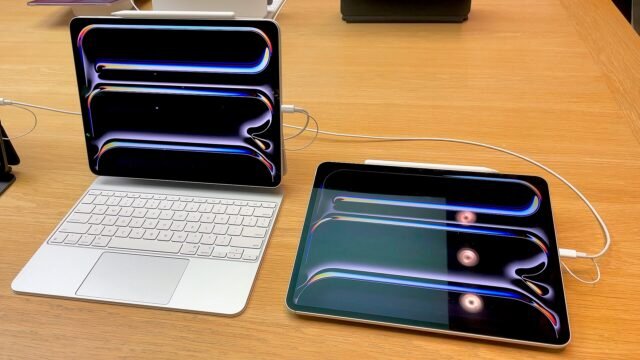
Pick 11 inches if you want a tablet you carry and hold, and 13 inches if it will sit on a desk with a keyboard. The size step costs ₹30,000 on the iPad Air 11-inch (M4) and iPad Air 13-inch (M4), and ₹60,000 on the iPad Pro 11-inch (M5) and iPad Pro 13-inch (M5), while 13-inch Android tablets start near ₹42,000.
That price gap is the real question, because the extra screen is not free on any Apple tablet. These are today’s India prices, with the weights and batteries that decide whether a bigger screen suits you.
How much more do you pay for 13 inches?
On Apple tablets, the 13-inch version costs ₹30,000 more on the iPad Air and ₹60,000 more on the iPad Pro, for the same chip and the same storage. For that you get roughly 40% more screen area, a 152 g heavier tablet on the Air, and a bigger battery.
| Tablet | Screen | Starting price | Weight | Battery (Apple) |
|---|---|---|---|---|
| iPad Air 11-inch (M4) | 11-inch | ₹89,900 | 464 g | 28.93Wh |
| iPad Air 13-inch (M4) | 13-inch | ₹1,19,900 | 616 g | 36.59Wh |
| iPad Pro 11-inch (M5) | 11-inch | ₹1,39,900 | 444 g | 31.29Wh |
| iPad Pro 13-inch (M5) | 13-inch | ₹1,99,900 | 579 g | 38.99Wh |
Both prices are for the 128GB Wi-Fi Air and the 256GB Wi-Fi Pro. The iPad Air 13-inch (M4) is ₹20,000 below the 11-inch Pro, so a bigger Air often costs less than a smaller Pro. The Pro adds a tandem OLED screen at 120Hz and four speakers, but not extra size.
Is an 11-inch tablet big enough for most people?
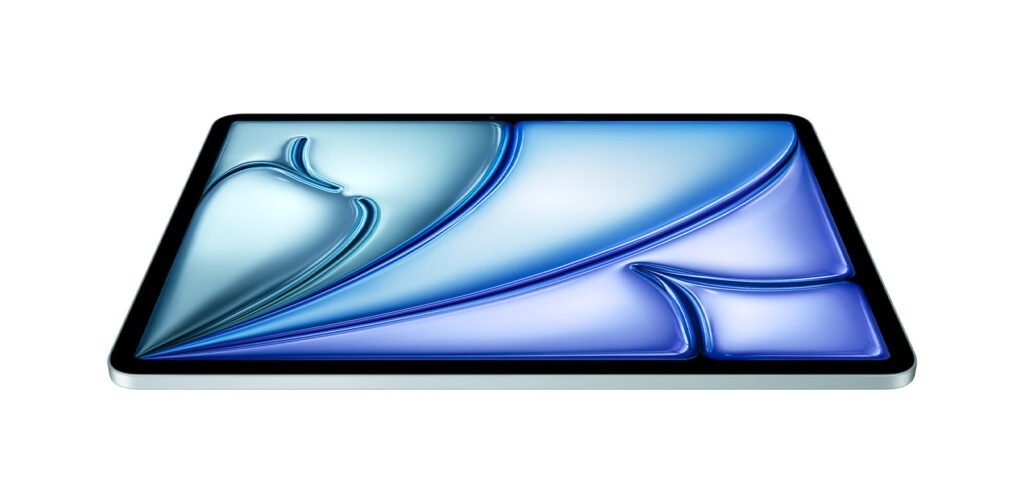
Yes, for reading, video, notes, browsing and light typing. An 11-inch screen is about the size of a large magazine page, and the tablet stays under 500 g, so one hand holds it for a film or a long read on the sofa.
It starts to feel small when you split the screen between two apps, or sit with a keyboard for hours. Two windows side by side get only half the screen each. If that is your daily use, the extra inches pay for themselves.
When is 13 inches worth the extra money?
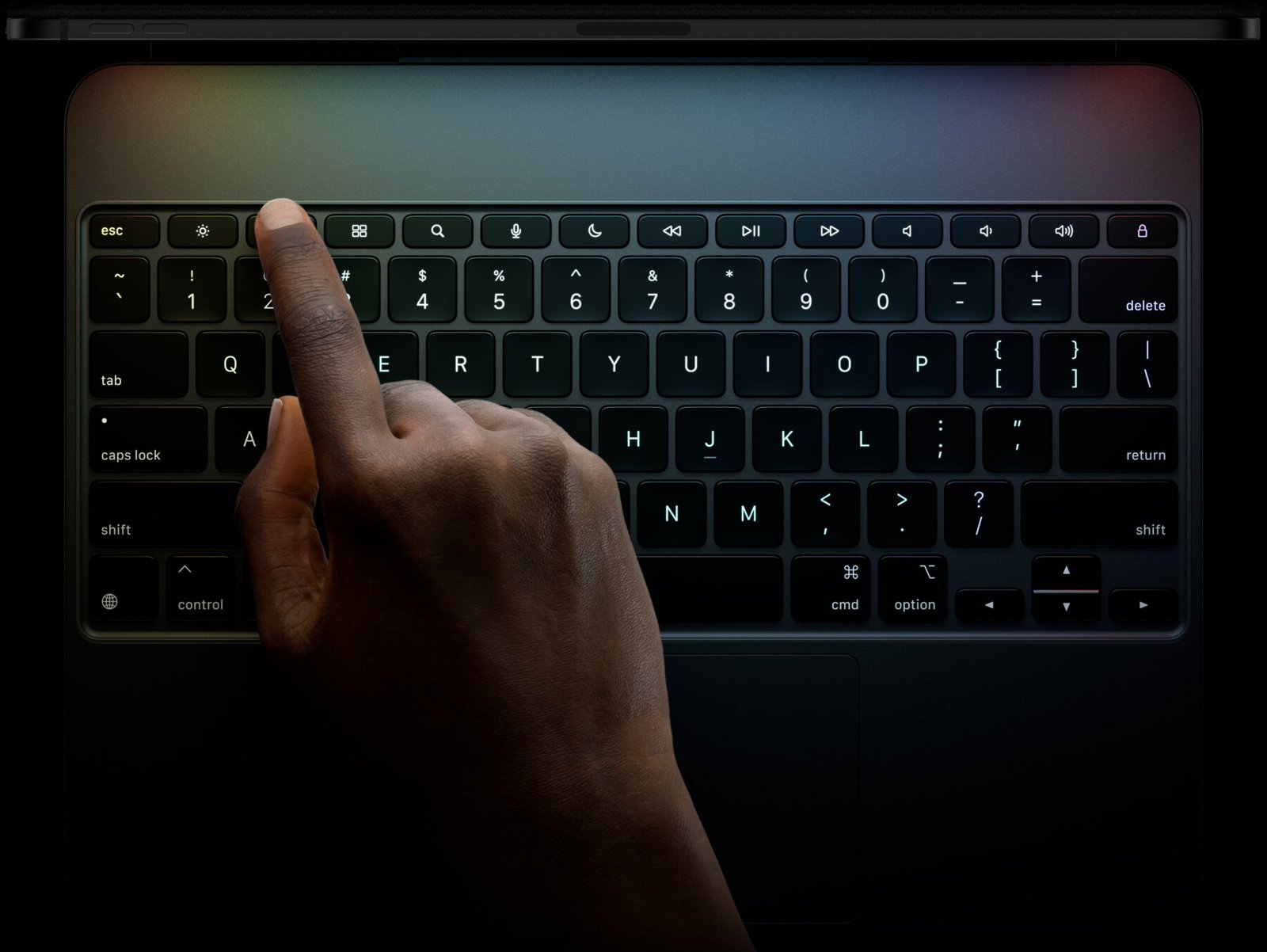
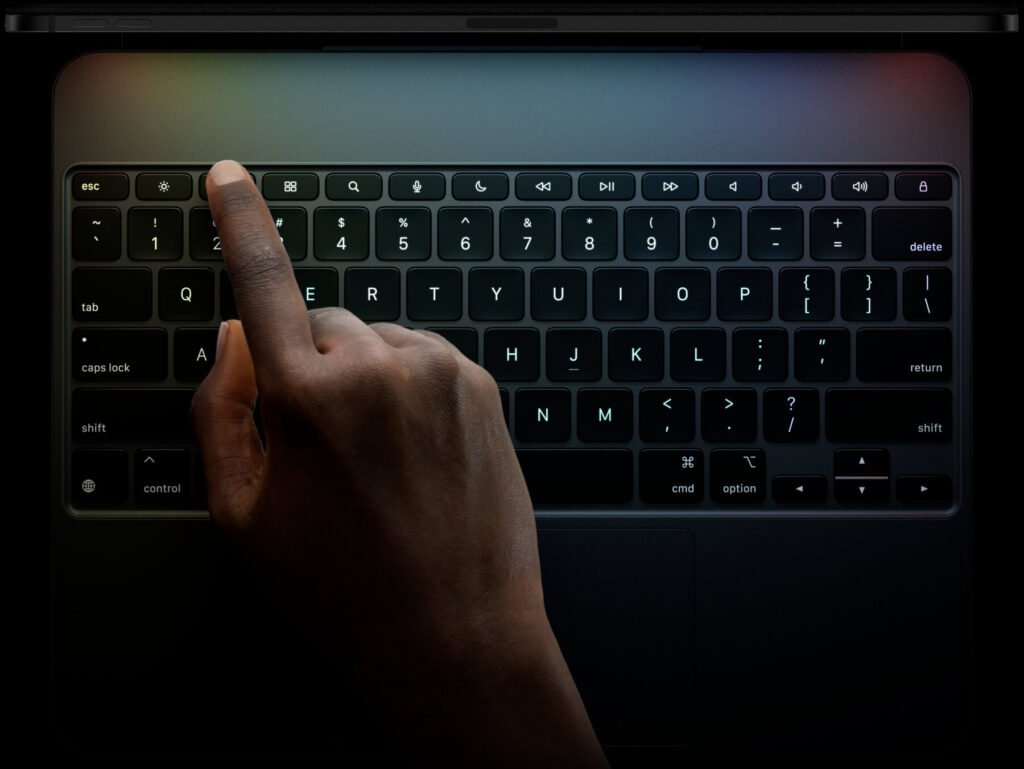
Choose 13 inches if the tablet will be a work machine: typing with a keyboard case, two apps open together, drawing, or editing documents. The larger screen gives a full-size keyboard layout and room for a toolbar plus a canvas.
It is not for the commute. The iPad Air 13-inch (M4) weighs 616 g, against 464 g for the 11-inch Air. Its 5G version also costs ₹18,000 more than the Wi-Fi one, as our Wi-Fi or 5G tablet explainer shows, so a big tablet that travels gets expensive fast.
Which 13-inch tablets cost the least in India?
The cheapest 13-inch tablets on The Synap are Android, and only 13-inch or larger screens count here: the Lenovo Idea Tab Pro Gen 2 at ₹41,999 and the Moto Pad 70 Pro at ₹42,999. Both have a 13-inch 3.5K screen at 144Hz, a 10,200 mAh battery (the makers’ figure) and a pen in the box.
| Tablet | Screen | Starting price | Weight | Pen in the box? |
|---|---|---|---|---|
| Lenovo Idea Tab Pro Gen 2 | 13-inch | ₹41,999 | 598 g | Yes |
| Moto Pad 70 Pro | 13-inch | ₹42,999 | 598 g | Yes |
| OnePlus Pad 4 | 13.2-inch | ₹62,999 | 672 g | No, sold separately |
| Samsung Galaxy Tab S10 FE+ | 13.1-inch | ₹80,999 | 664 g | Yes |
| iPad Air 13-inch (M4) | 13-inch | ₹1,19,900 | 616 g | No, sold separately |
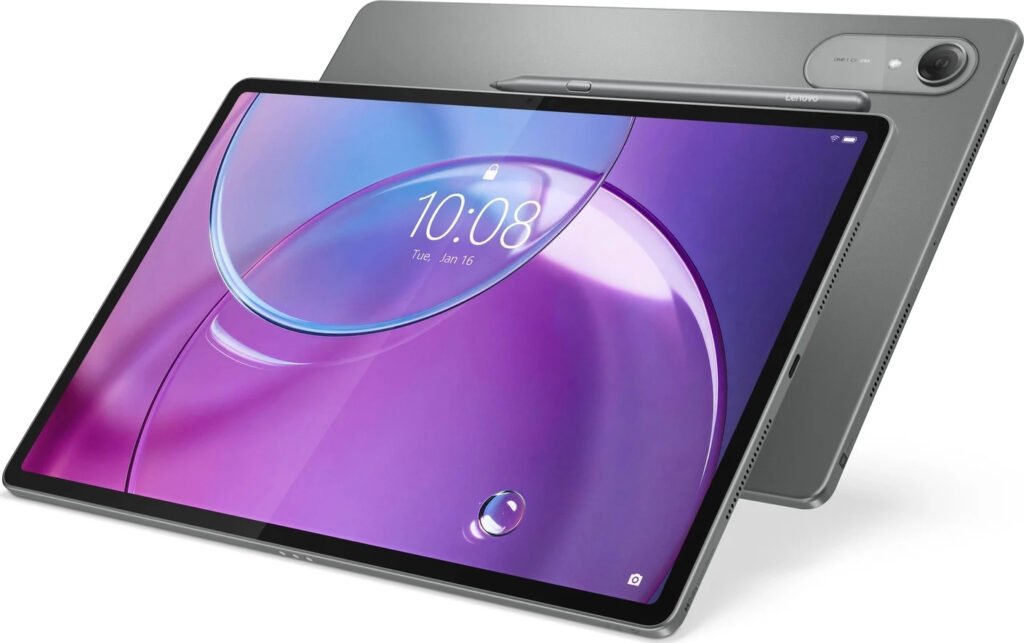
The OnePlus Pad 4 sits in between at ₹62,999, with a 13,380 mAh battery and 80W charging, both OnePlus’s claims. Its pen, the OnePlus Stylo Pro, is sold separately. Our comparison of the OnePlus Pad 4 and the iPad Air covers that trade in detail: OnePlus Pad 4 or iPad Air.
The Samsung Galaxy Tab S10 FE+ is the poor-value 13-inch. At ₹80,999 it asks ₹39,000 more than the Lenovo, and it has a 90Hz LCD against the Lenovo’s 144Hz. Part of the price is 12GB of RAM and 256GB of storage, but the screen does not match the money. Samsung’s smaller Samsung Galaxy Tab S10 FE, at ₹52,999 with a 10.9-inch screen, is the sensible Samsung size.
Is 12 inches a good middle size?
Yes, and it is the best value in Android. The POCO Pad 5G has a 12.1-inch screen at ₹23,999, the Redmi Pad 2 Pro has 12.1 inches at ₹26,999, and the Moto Pad 60 Pro has 12.7 inches at ₹27,999. That is a big screen for under ₹28,000, about ₹14,000 less than the cheapest 13-inch tablet.
Should you go smaller than 11 inches?
Only if the tablet must fit a pocket or a small bag. The iPad mini (A20 Pro) has an 8.5-inch OLED and weighs 255 g, and the OPPO Pad Mini has an 8.8-inch AMOLED at 282 g. They cost ₹82,900 and ₹94,999, so small is not cheap.
Both are better as a reading and travel companion than as a main tablet. For one tablet that does everything, 11 inches is the safer size, and our guide to which iPad to buy in India shows where the cheaper iPad (A16) fits. Every size is listed, with prices, on the tablets page.
Quick answers
Is a 13-inch tablet too big to carry?
For daily travel, often yes. The 13-inch tablets here weigh 579 g to 672 g, against 444 g to 497 g for the 11-inch ones. That is fine in a backpack, but heavy to hold in one hand for long.
Can a 13-inch tablet replace a laptop?
It can for documents, email, notes and video calls, especially with a keyboard case. Apple’s keyboard and the Android makers’ keyboards are sold separately, so add that to the price before you decide.
Which size is best for a student?
11 inches suits most students, because it fits a bag and a lecture desk. Choose 13 inches only if you will type long assignments or split the screen between notes and a textbook every day.