Silicon-carbon batteries: why phones now hit 10,000 mAh
Silicon-carbon batteries pack 10% to 20% more energy in the same space. See which Indian phones reach 10,000 mAh from ₹32,999, and the catch.
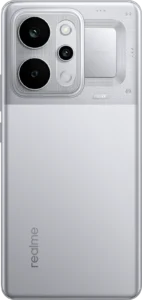
A silicon-carbon battery is an ordinary lithium-ion battery with some silicon mixed into the carbon (graphite) that holds the charge, which lets makers fit roughly 10% to 20% more energy into the same space. That is why the realme P4 Power 5G now sells in India with a 10,001 mAh battery from ₹32,999, but chemistry is only half the story: those phones are also thicker and heavier.
What is a silicon-carbon battery?
It is a normal lithium-ion cell with a changed anode, the part that stores lithium while the phone charges. Graphite has done that job for decades. Silicon can hold far more lithium, so makers blend it into a carbon structure instead of replacing the graphite outright.
One tech site describes it as an evolution of lithium-ion, not a new battery type. An electronics magazine makes the same point, and adds that makers do not disclose how much silicon their cells contain.
| Anode material | Capacity | The catch |
|---|---|---|
| Plain graphite | About 372 mAh per gram (theoretical) | Stable and long-lived, but the anode is already near its limit |
| Pure silicon | About 4,200 mAh per gram (theoretical) | Swells by up to 300% when full, which wrecks the cell |
| Silicon-carbon blend | About 10% to 20% more energy in the same cell | Swelling held to roughly 10% to 20% in a well-built cell |
Silicon is not used pure because it swells badly. That site puts the swelling at up to 300% when fully charged, against about 10% for graphite. The carbon in the blend gives the silicon room to expand and holds the structure together.
Why do phones suddenly have 7,000 to 10,000 mAh batteries?
Because makers are spending the extra energy density on capacity, and some of the extra space on a bigger battery too. A 10% to 20% gain alone would take a 5,000 mAh phone to 6,000 mAh, not 10,000. Getting to 10,001 mAh also takes a thicker, heavier body.
The magazine, citing a published trend analysis, reports that phones with 6,000 mAh or more made up 10% of global sales in January 2025 and 29% in January 2026. Chinese makers have pushed furthest, and Apple, Samsung and Google have stayed closer to the 4,000 to 5,000 mAh range.
Which phones in India have the biggest batteries, and what do they cost?
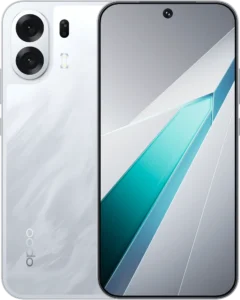
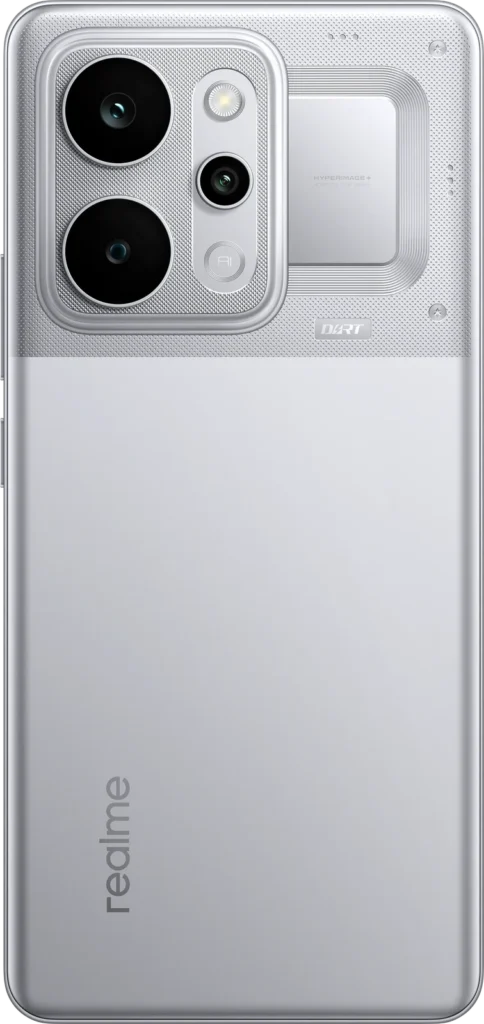
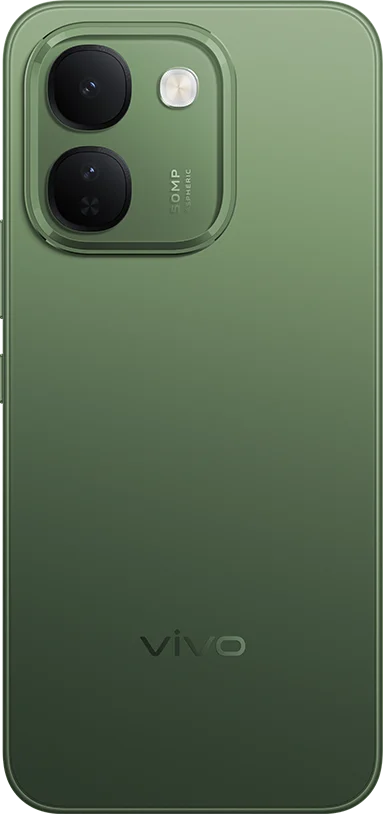
The biggest battery on our catalogue pages is the realme P4 Power 5G, at 10,001 mAh for ₹32,999 with 8GB + 128GB. The vivo S2 FE has 10,000 mAh and costs ₹6,000 more. Compare them side by side on our P4 Power 5G against S2 FE page.
Here is how capacity, weight and price line up. The Galaxy S26 and Pixel 11 sit at the small end for contrast.
| Phone | Battery | Weight | mAh per gram | Starting price |
|---|---|---|---|---|
| Samsung Galaxy S26 | 4,300 mAh | 167 g | 25.7 | ₹1,02,999 |
| Pixel 11 | 4,985 mAh | 197 g | 25.3 | ₹89,999 |
| OnePlus 15 | 7,300 mAh | 211 g | 34.6 | ₹84,999 |
| realme P4s 5G | 8,000 mAh | 208 g | 38.5 | ₹34,999 |
| vivo T5 Pro 5G | 9,020 mAh | 213 g | 42.3 | ₹36,999 |
| vivo S2 FE | 10,000 mAh | 224 g | 44.6 | ₹38,999 |
| realme P4 Power 5G | 10,001 mAh | 219 g | 45.7 | ₹32,999 |
The pattern is plain. Phones with 8,000 mAh or more pack 38 to 46 mAh into every gram of phone, against about 25 for the Samsung Galaxy S26 and Pixel 11. The realme P4 Power 5G holds 2.3 times the battery of the Galaxy S26, in a phone that costs about a third as much and weighs 52 g more.
One caution: not every maker says which anode it uses. realme says the P4 Power 5G has a third-generation silicon-carbon anode, as reported by the same magazine. We have not confirmed the chemistry of the other phones in the table, so it lists capacity, not chemistry.
What is the catch with silicon-carbon batteries?
Ageing is the open question. The same tech site says silicon-carbon cells are unlikely to outlast the best graphite cells, though a lower silicon share can come close, and it advises waiting if you keep phones for more than five years. Extra internal resistance also makes more heat.
Makers answer with promises. realme claims 1,650 full cycles before the P4 Power 5G falls to 80% capacity, plus an eight-year battery-health guarantee, according to the same magazine. Those are the maker’s claims, and independent multi-year test data on these phones has not been published.
Heat matters more in India than in a test lab. The magazine notes that long-term ageing data in high Indian temperatures is limited. Our look at whether 100W fast charging hurts your battery covers the charging side of the same worry.
Is a 10,000 mAh phone worth buying?
Only if battery life is your main complaint. You pay for capacity in weight: the vivo S2 FE is 224 g and 8.59 mm thick, and the realme P4 Power 5G is 219 g and 9.08 mm. Neither is pocket-friendly, and no independent battery test of either has been published yet.
Charging speed decides how the big battery feels. realme quotes 80W for the P4 Power 5G and claims 50% in 36 minutes, while vivo’s vivo S2 FE tops out at 44W, so refilling it is a long job. The vivo T5 Pro 5G gives up 980 mAh for 90W charging at ₹36,999, which is the better balance for most people. For more choices, see our list of phones under ₹40,000.
The best value here is the realme P4 Power 5G at ₹32,999. The poorest value is paying ₹38,999 for the vivo S2 FE unless you specifically want vivo’s design or software, since it gives up 1 mAh and costs ₹6,000 more.
Quick answers
Are silicon-carbon batteries safe?
They are lithium-ion cells with the same safety systems as any phone battery. The known concern is ageing from silicon swelling, not a new fire risk, and none of the sources we read report one.
Do silicon-carbon batteries last as long as normal ones?
Probably not quite, according to one tech site, though lower silicon content narrows the gap. Maker promises such as realme’s 1,650 cycles to 80% are claims, not independent results.
Does a 10,000 mAh battery mean two days of use?
Not automatically. Battery life also depends on the chip, screen and how you use the phone, and no independent test has been published for these two phones. Capacity buys headroom, not a guaranteed day count.